Smart hvac – understanding the basic principles
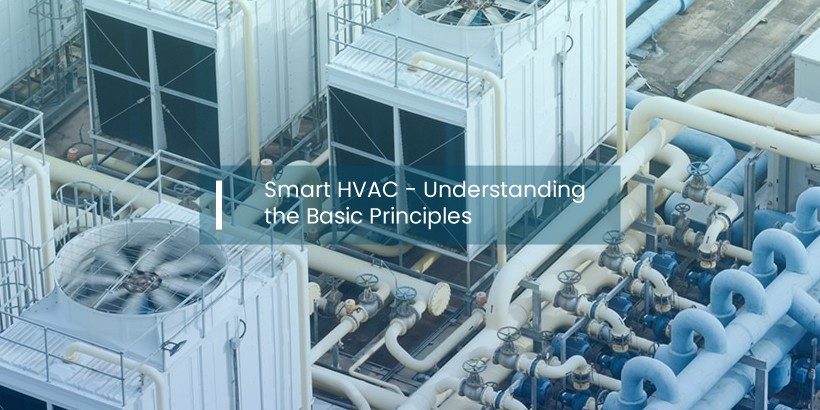
Smart HVAC – Understanding the Basic Principles
Last updated: May 2026
In South Florida, climate control isn’t a seasonal consideration – it’s a year-round operational reality. Air conditioning runs eight to ten months a year. Humidity is a constant. And in a large home with multiple exposures, a pool, and significant glass area, managing indoor comfort without also managing energy costs is genuinely difficult without the right systems in place.
This article covers what smart HVAC and climate control actually means in a residential context – not marketing language, but how the systems work, what they’re capable of, and why the difference between a standalone thermostat and a properly integrated climate system matters more than most homeowners expect.
What HVAC Actually Stands For – and Why It Matters
HVAC stands for Heating, Ventilation, and Air Conditioning. The abbreviation is familiar. What’s less understood is that a true HVAC system is designed around how all three of those functions work together – not as separate pieces of equipment, but as a coordinated system managing the thermal environment of an entire building.
In South Florida luxury homes, the heating component is often minimal – a heat pump that handles both directions efficiently is the standard. Ventilation and air conditioning carry most of the load. But the principles of the system – zone-based control, load management, air filtration, humidity regulation – are what separate a properly engineered HVAC installation from a residential AC unit with a programmable thermostat.
What Climate Control Adds to the Picture
Climate control is what happens when an HVAC system gets integrated with the home’s broader automation platform. The equipment itself – air handlers, compressors, ductwork – is the same. What changes is how it’s managed.
A standalone thermostat responds to a single temperature reading in one location. A climate control system responds to occupancy sensors, time of day, the position of motorized shades, the outdoor temperature and humidity, and the specific comfort preferences set for each zone. The difference in practice: a room that nobody is using doesn’t get conditioned to the same setpoint as the room where the family is having dinner. A west-facing bedroom cools down before anyone gets into it, not after.
When motorized shades close automatically to reduce solar heat gain on the afternoon sun side of the house, the HVAC system doesn’t have to work as hard to maintain temperature. When occupancy sensors confirm a zone is empty, the setpoint adjusts automatically. These are not theoretical benefits – they’re measurable reductions in cooling load in a climate where that load is significant.
Zone-Based Control in Large Homes
One of the most practical advantages of a properly designed HVAC system in a large residence is zone control. Rather than conditioning the entire home to a single temperature, a multi-zone system divides the home into areas that can be managed independently – primary suite, guest wing, main living areas, home theater, outdoor-adjacent spaces.
In a South Florida home where certain wings are rarely used, or where a guest house sits empty for months at a time, zone control directly reduces energy consumption. The system conditions what needs conditioning, when it needs it, based on occupancy and scheduling rather than running uniformly across every square foot of the house all day.
For seasonal properties that sit unoccupied for extended periods, climate scheduling also serves a property protection function. Maintaining humidity within a specific range prevents mold growth, protects wood finishes, and keeps the home ready to inhabit when owners return – without running the system at full capacity the entire time they’re away.
Air Filtration and Indoor Air Quality
Beyond temperature, a properly specified HVAC system handles air filtration at a level that standalone portable units can’t approach. Commercial-grade air handlers with high-efficiency filters remove airborne particles – dust, pollen, mold spores, pet dander, and in some installations, VOCs and gaseous contaminants. In South Florida, where mold pressure from humidity is a real consideration and pollen counts run high through much of the year, filtration quality matters to daily comfort and long-term health.
Some installations include dedicated whole-home air purification units and UV-C treatment as part of the HVAC infrastructure. These aren’t common in standard residential builds, but they come up regularly in high-end projects where indoor air quality is a priority – particularly for clients with allergies or respiratory considerations.
HVAC Integration with Home Automation
A smart thermostat is the entry point for HVAC automation. It’s a meaningful upgrade from a manual thermostat and handles scheduling and remote access reasonably well for a typical home. In a large, complex residence, it’s the beginning of the capability – not the whole picture.
When HVAC integrates with a Crestron or Lutron-based whole-home automation platform, the climate system becomes part of a coordinated set of responses. A “Goodnight” scene sets back the thermostat, closes shades, and adjusts lighting all at once. A “Leave Home” scene shifts every zone to an energy-saving setpoint and confirms that nothing is running unnecessarily. A return trigger – geofencing or a garage door sensor – starts bringing the home back to comfort levels before anyone walks through the door.
For properties with security and access control integration, the climate system can also respond to access events – adjusting a guest suite when a door code is used, or reducing conditioning in a wing after a service provider leaves. These automations run quietly in the background and represent the kind of capability that separates a connected home from a home with a few smart devices.
Energy Management and the HVAC Connection
HVAC is consistently the largest single contributor to energy consumption in a South Florida home. In a 5,000 to 10,000 square foot residence, cooling costs alone can run $400 to $800 or more per month during peak season. The systems that reduce that number most effectively are the ones that work in coordination – shading that reduces heat gain, lighting that doesn’t add unnecessary thermal load, and HVAC that responds to actual conditions rather than a fixed schedule.
Our automated climate control and HVAC integration service ties your HVAC system into your whole-home automation platform for true scheduled, sensor-driven control. And our energy management and monitoring service gives you the visibility to see exactly how much your climate system is consuming – by zone, by day, by season – so you can make informed decisions about how to reduce it.
What a Professional HVAC Integration Involves
The HVAC equipment itself is typically specified and installed by a licensed mechanical contractor. The integration layer – connecting that equipment to the home automation platform, programming the zone logic, setting up occupancy-based control, and commissioning the system – is the integrator’s scope.
For new construction, the most important thing is that the integrator is involved before the mechanical rough-in is complete, so that thermostat wiring, sensor locations, and control panel placement are planned correctly. For existing homes, integration is often added as part of a broader automation upgrade – replacing existing thermostats with compatible hardware and connecting them to the control platform.
Either way, the result is a climate system that runs intelligently rather than running constantly – which, in South Florida’s energy environment, is worth the investment in real dollar terms.
Ready to Talk About Your Home’s Climate Control?
Our team designs and installs HVAC integration and climate control automation for luxury residences throughout South Florida – coordinated with lighting, motorized shades, and every other system in the home.
Call us at (954) 251-0600 or visit our contact page to start the conversation.
You might also enjoy