3 essential features of a highly efficient security system
3 Essential Features of a Highly Efficient Security System
Choosing a modern security system is no longer as simple as installing a few cameras near the front door. Today’s homes rely on connected devices, mobile access, wireless networks, smart locks, remote monitoring, and integrated automation systems. With so many products on the market, it can be difficult to know which features actually improve security and which are simply marketing.
A properly designed security system should do more than record video. It should help deter intruders, improve visibility around the property, provide reliable alerts, and allow you to monitor your home from anywhere. Whether you are planning a new smart home or upgrading an older system, there are a few key areas that deserve the most attention.
If you are still exploring the basics, our guide to low voltage wiring and cable types explains how security, networking, automation, and smart home systems work together behind the scenes.
1. Choose High-Quality Security Cameras
Security cameras are one of the most important parts of any residential or commercial security system. They help monitor activity around the property, record important events, and provide evidence if an incident occurs. However, not all cameras perform the same way.
Many entry-level cameras work well for casual monitoring, but larger homes and professional installations often benefit from commercial-grade systems that offer better image quality, improved reliability, stronger weather resistance, and more advanced recording capabilities.
What to Look for in Security Cameras
a. Strong Night Vision Performance
Most break-ins and suspicious activity happen during low-light conditions. A good security camera should be able to produce a clear image at night without excessive glare, blur, or image noise. Cameras with proper infrared illumination and wide dynamic range usually perform much better after dark.
b. High Resolution and Better Image Detail
Higher resolution cameras make it easier to identify faces, vehicles, license plates, and movement around the property. Modern systems commonly use 4MP, 4K, or higher resolutions depending on the application. Image quality is especially important when zooming into recorded footage later.
c. Wide Coverage Areas
Camera placement matters just as much as camera quality. Some areas benefit from fixed cameras, while others may require wider viewing angles or pan-tilt-zoom functionality to reduce blind spots. The goal is to cover entrances, driveways, walkways, and vulnerable areas without leaving gaps in visibility.
d. Reliable Recording and Remote Access
A camera system is only useful if recordings are stored properly and can be accessed when needed. Professional systems usually include dedicated recording hardware, remote viewing apps, motion alerts, and secure storage options for long-term reliability.
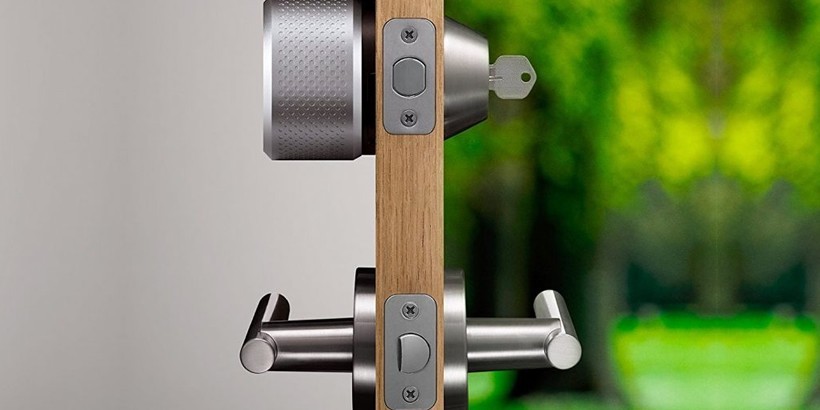
2. Add Smart Locks and Video Doorbells
Smart locks and video doorbells have become extremely popular because they combine convenience with improved security. Instead of relying only on traditional keys, homeowners can monitor access to the property in real time and receive alerts when someone approaches the door.
Video doorbells are especially useful for deliveries, guests, service providers, and monitoring activity while away from home. Smart locks can also simplify access management for family members, guests, or vacation properties.
What to Look for in Smart Locks and Doorbells
a. Real-Time Notifications
One of the biggest advantages of smart security devices is instant awareness. Motion detection alerts, doorbell notifications, and lock activity updates can all be sent directly to your phone or tablet.
b. Multiple Access Methods
Modern smart locks can support keypad access, mobile credentials, biometric authentication, key fobs, or traditional physical keys. Having multiple access methods gives homeowners more flexibility while reducing the risk of lockouts.
c. Integration with Smart Home Systems
Many smart locks and doorbells can work alongside lighting, cameras, alarm systems, and home automation platforms. For example, exterior lights can automatically activate when motion is detected near an entry point.
d. Secure Remote Management
Remote access allows homeowners to lock or unlock doors, check activity history, and manage permissions from anywhere. This can be useful for guests, cleaners, contractors, or family members arriving at different times.
3. Protect the Network Behind the Security System
Modern security systems rely heavily on the home’s network infrastructure. Cameras, smart locks, wireless devices, mobile apps, and automation systems all communicate through the local network and internet connection. If the network is weak or poorly secured, the entire system becomes more vulnerable.
Cybersecurity is often overlooked during smart home installations, but it plays a major role in keeping connected devices secure and reliable.
How to Improve Smart Home Cybersecurity
a. Secure the WiFi Network
Strong passwords and modern encryption standards are essential. The wireless network should use updated security settings and avoid default usernames or passwords. Separating smart devices onto dedicated network segments can also improve security and performance.
b. Keep Devices and Firmware Updated
Manufacturers regularly release updates to fix bugs, improve performance, and patch security vulnerabilities. Cameras, routers, smart locks, access points, and connected devices should all stay updated whenever possible.
c. Replace Weak or Outdated Hardware
Older networking equipment can become unstable over time and may no longer receive security updates. Upgrading outdated routers, switches, or wireless systems can significantly improve both reliability and protection.
d. Properly Reset Devices Before Disposal
Devices often store account information, network credentials, and user settings. Before selling, recycling, or giving away equipment, make sure everything is fully factory reset and removed from connected accounts.
Professional Security System Design Matters
Many security problems are not caused by the equipment itself, but by poor planning, incorrect camera placement, weak network infrastructure, or unreliable installation methods. A properly designed system should balance visibility, coverage, remote access, storage, cybersecurity, and ease of use.
Professional installations also make future upgrades easier. As technology changes, having the right cabling, network layout, and equipment infrastructure in place can save significant time and money later.
Knowing what to look for is only part of the process. Our professional security and video surveillance installation service helps homeowners and businesses with camera placement, network infrastructure, recording systems, remote access, and long-term support.
If you are planning a new smart home, upgrading an older security system, or looking for a more reliable commercial-grade solution, contact Geeks of Technology to discuss the right approach for your property.