
Alejandro M.
Miami Beach
We wanted music throughout the home, but we didn’t want to see it. What we ended up with feels incredibly calm. Everything sounds balanced, no matter where you are. It just feels resolved.
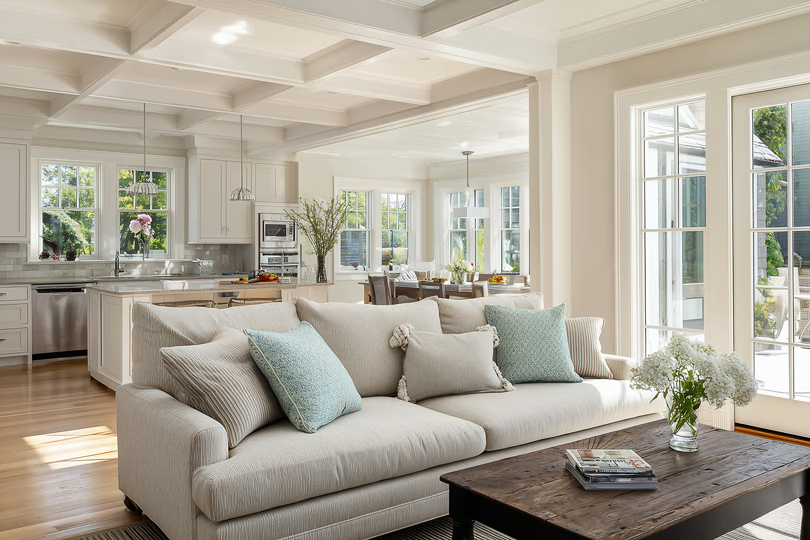
Music shouldn’t compete with space. It should be positioned intentionally - remaining balanced across rooms without drawing attention to itself. As you move through the home, sound stays consistent, never louder, never thinner. The experience feels continuous and considered, like the architecture itself set the tone.
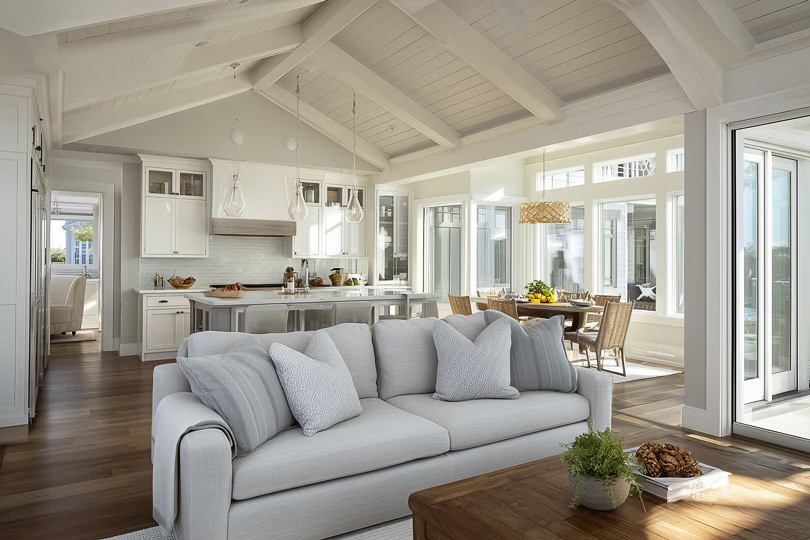
When sound is distributed correctly, hosting feels different. Conversations remain clear. Music fills the background without dominating. Indoor and outdoor areas feel related rather than staged. Guests don’t ask where the speakers are - they simply feel comfortable staying longer.
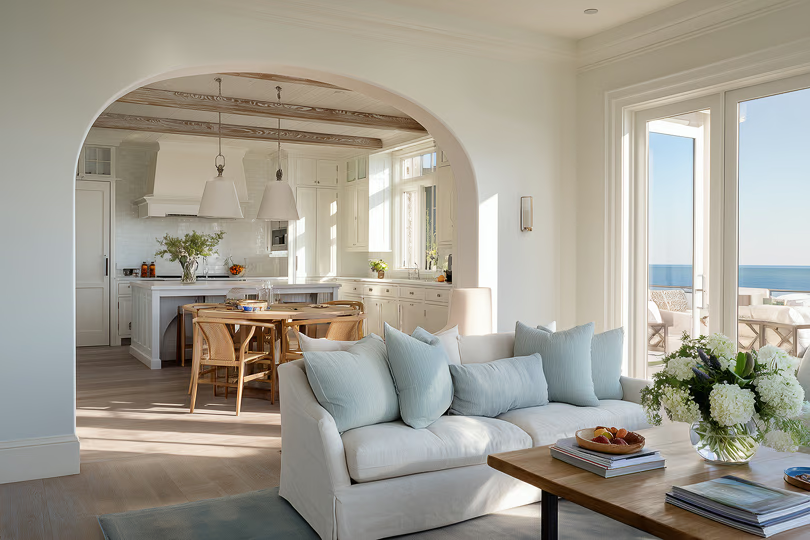
There’s comfort in knowing sound is there without needing to manage it. The home maintains atmosphere gently - ready for mornings, afternoons, or evenings without adjustment. Audio becomes part of the environment, not something you actively think about.
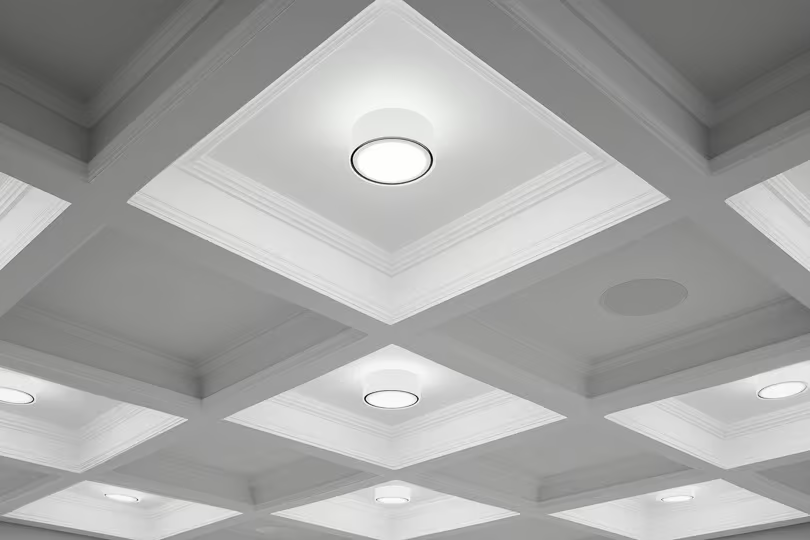
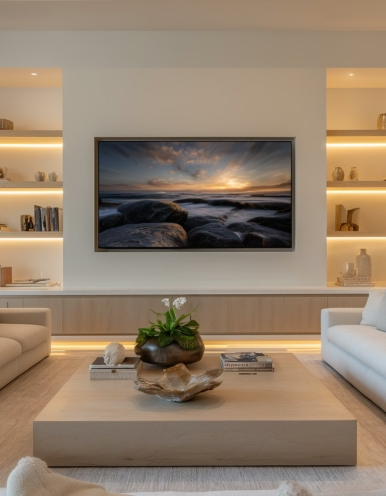
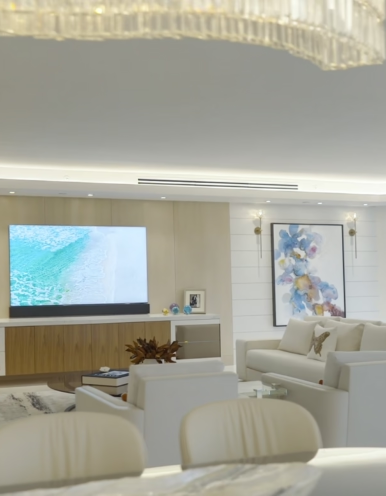
Great audio design respects lines, finishes, and proportion. Grilles align. Materials remain uninterrupted. Nothing draws the eye. The architecture stays whole - sound simply inhabits it. What’s visible remains design. What’s audible remains intentional.
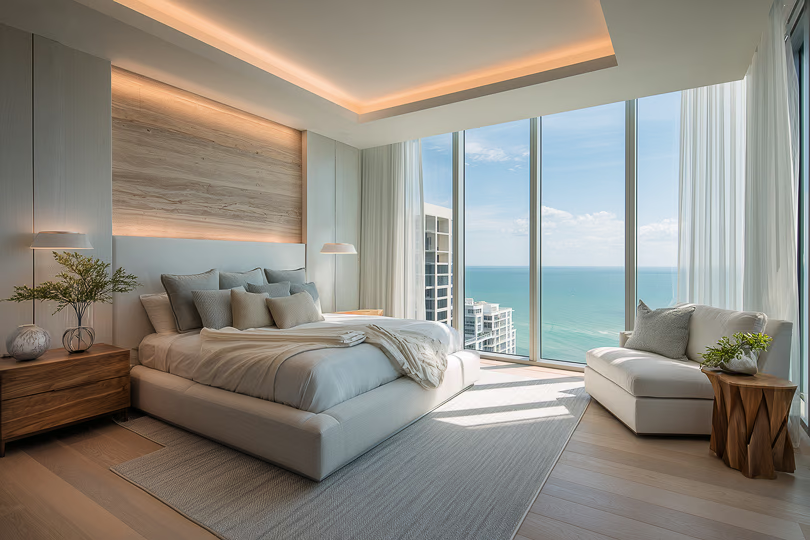
This isn’t about moments of performance. It’s about reliability. Audio that works every day, in every room, without thought. Once experienced, it becomes the baseline—anything less feels unfinished.
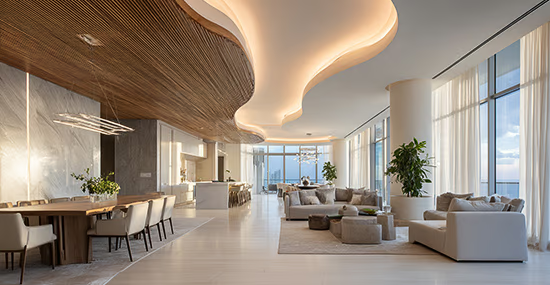
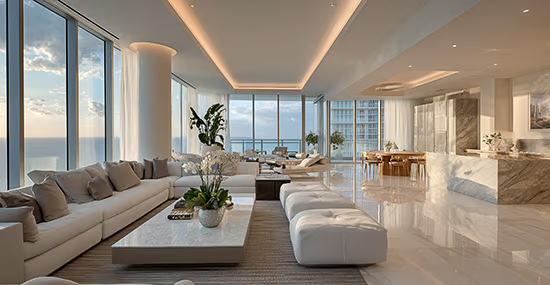
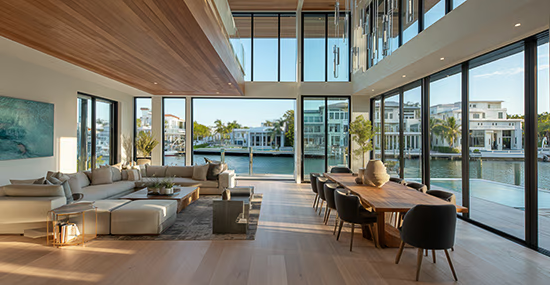
Great audio doesn’t blanket a home—it responds to its geometry. Ceiling heights, surfaces, and volumes shape how sound should exist in a room. When designed properly, music feels present without pressure, clear without sharpness. You don’t notice adjustments as you move through the home. You notice how comfortable everything feels. Architecture stays visually quiet while sound remains evenly distributed, as if it had always belonged there.
A distributed audio system allows high-quality sound to be played in multiple rooms or zones throughout your home or business. With Geeks of Technology, this system is customized to your preferences, enabling synchronized or independent audio in each space for the ultimate luxury experience.
Distributed audio focuses on consistent music playback across multiple rooms, while surround sound installation is designed for a single, immersive viewing space like a media room or home theater. Many residences intentionally include both, each serving a different purpose.
Traditional systems are localized to a single room. Distributed audio systems go beyond, offering centralized control and seamless sound throughout your property—indoors and outdoors—without clutter, cables, or interruptions in quality.
Absolutely. Our multi-zone systems allow you to stream jazz in the kitchen, play ambient music on the patio, and keep the kids entertained with their playlist—all simultaneously and effortlessly controlled from your phone, tablet, or touch panel.
Yes. In-ceiling and in-wall speakers are selected based on room layout, ceiling height, and construction type. Placement is planned to distribute sound evenly while maintaining architectural alignment.
Yes. Terraces, patios, and pool areas can be integrated as separate audio zones designed for exterior conditions.
Yes. Miami condos often involve concrete construction, HOA requirements, and acoustic considerations. These factors are addressed during system planning to ensure proper placement and performance.
Most residential distributed audio installations take one to three days, depending on the number of zones and whether the project is new construction or retrofit.
When openings are required, they are kept minimal. Patching and paint-ready finishes are included where applicable.
Yes. Each zone is balanced and calibrated so volume and tone remain consistent throughout the home.
Yes. Audio can be coordinated with lighting environments to create cohesive, pre-set atmospheres.
Sound is placed deliberately across the home, remaining balanced from room to room without visual interruption. This is distributed audio designed to feel natural, consistent, and effortless—supporting daily life without drawing attention to itself.
Miami Beach
We wanted music throughout the home, but we didn’t want to see it. What we ended up with feels incredibly calm. Everything sounds balanced, no matter where you are. It just feels resolved.

Interior Designer
What impressed me most was restraint. Nothing competes with the design. Clients don’t notice technology - they notice how comfortable the space feels. That’s the difference.
Architect
They respected the architecture completely. Every placement felt deliberate. The sound belongs to the space rather than sitting on top of it.
Key Biscayne
I honestly forget the system exists. And that’s probably the best compliment I can give.