
Light-bulb Created with Sketch. sqf security-camera

Light, By design

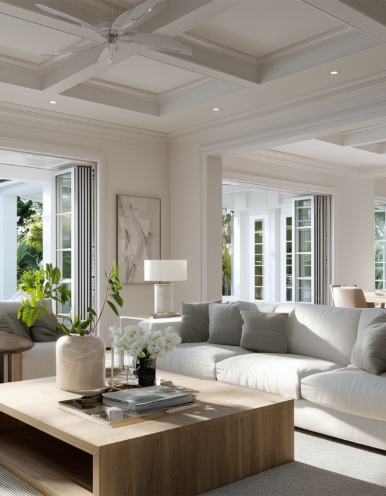
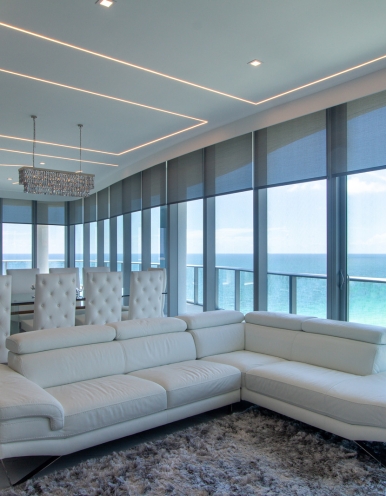
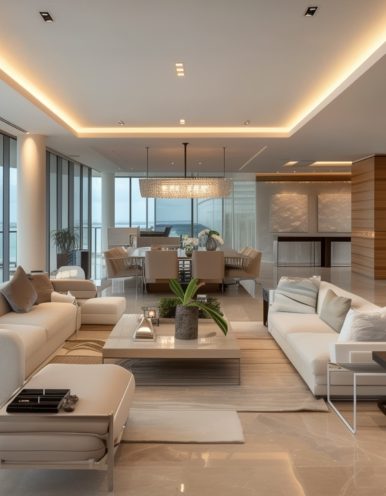
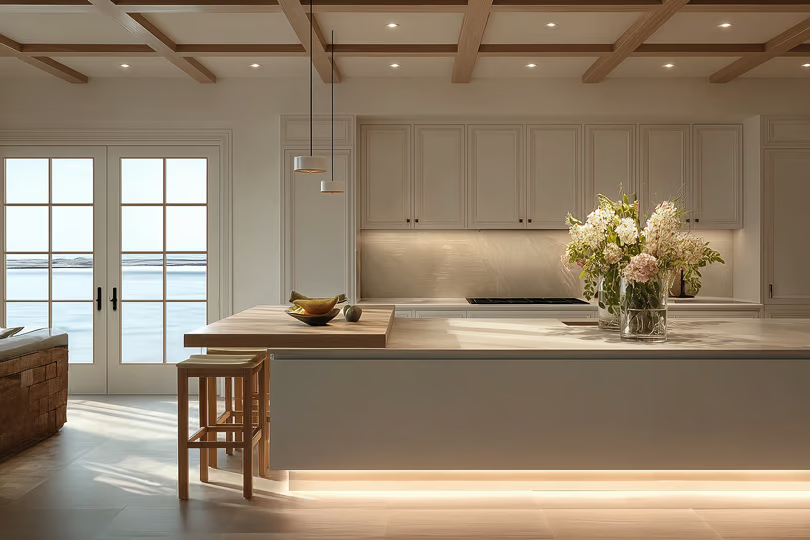
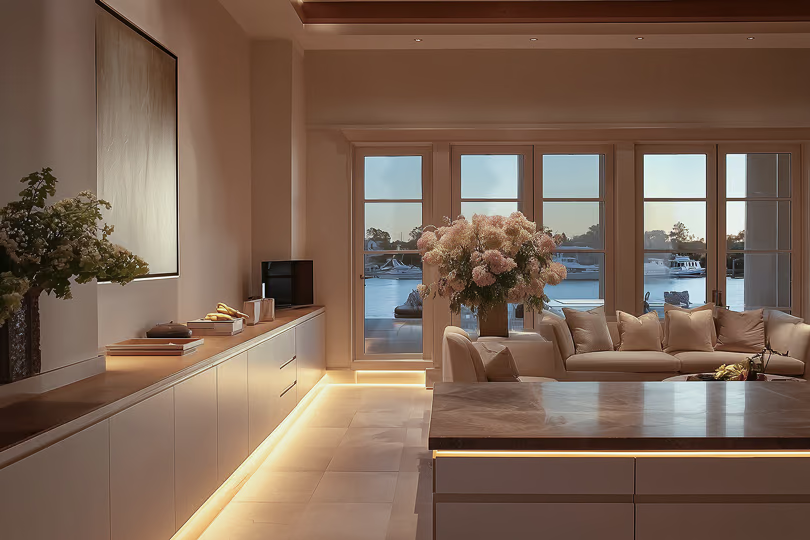
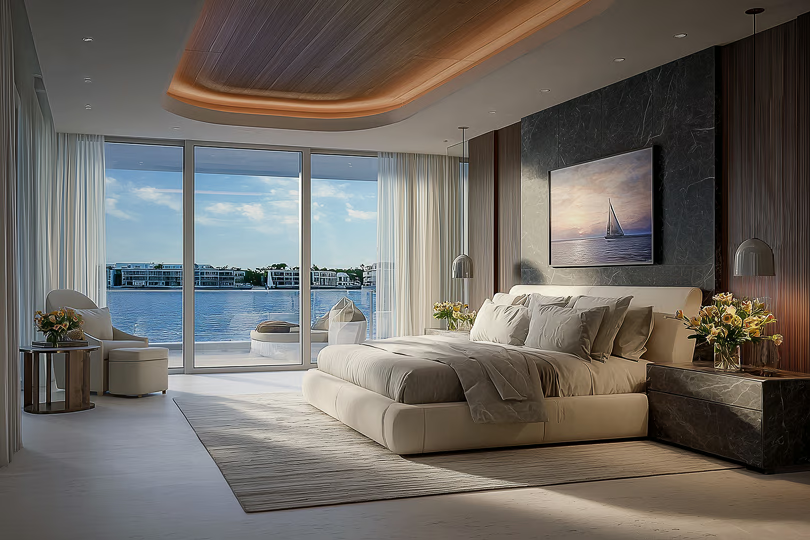
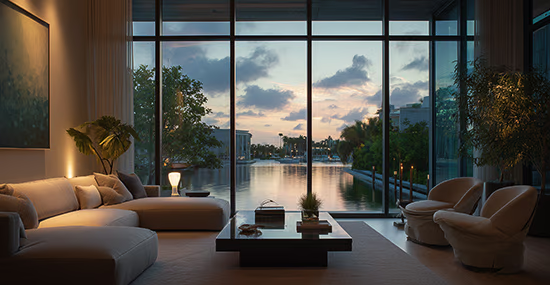
Lighting controls in a South Florida waterfront modern home, designed for daily living rhythms.

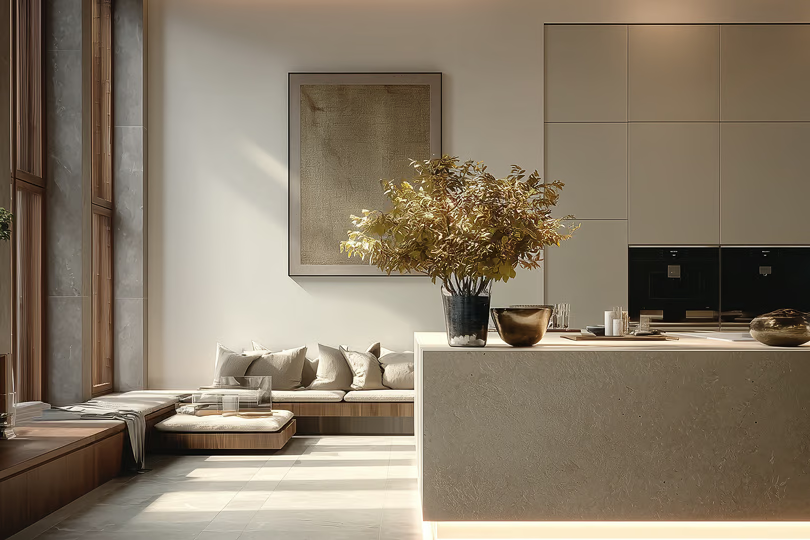
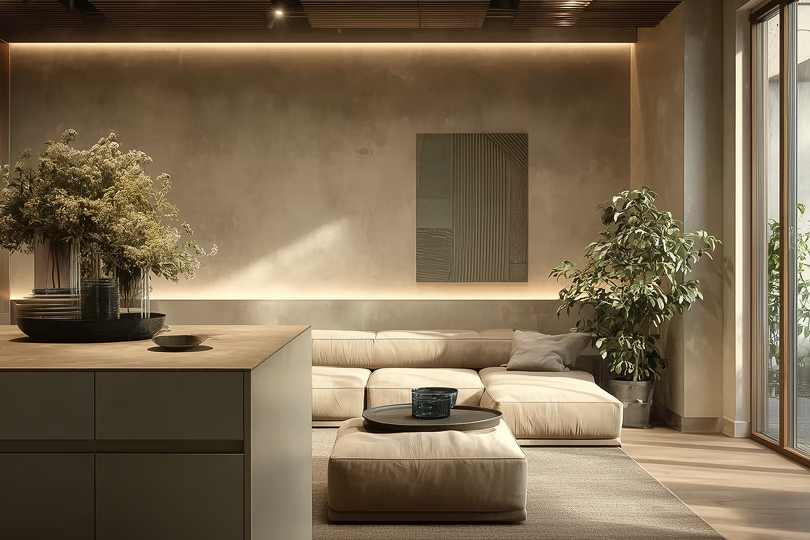
Lighting feels most natural when it aligns with how a home is actually lived in. Over time, illumination settles into a rhythm—supporting early mornings, easing into afternoons, and softening as evenings arrive. The experience never feels managed or adjusted. Rooms are simply comfortable, visually calm, and appropriately lit without thought. This is lighting that feels familiar, not impressive. It responds quietly to daily patterns, allowing spaces to feel intuitive and composed rather than reactive. The result is a home where light behaves with awareness, never asking for attention or explanation.

Frequently asked questions

What does a lighting control system actually manage?+

A lighting control system coordinates how lights behave throughout the home, including brightness levels, timing, and how different areas relate to one another. Instead of treating each switch independently, the home responds as a whole.

Is automated lighting wired or wireless?+

Lighting control systems can use wired, wireless, or hybrid approaches depending on the project. New construction often favors wired infrastructure, while existing homes may use wireless or mixed solutions to minimize disruption.

Can lighting be integrated with shades and other systems?+

Yes. Lighting is often coordinated with window shades, audio, and climate systems so spaces respond as one environment rather than separate technologies.

What is the difference between lighting design and lighting installation?+

Lighting design defines how a space should feel before anything is installed. It considers architecture, materials, ceiling conditions, daylight, and how rooms are used throughout the day. Installation is the execution of that intent. Without proper design, even high-quality equipment can feel harsh, uneven, or visually intrusive. Good lighting design ensures the system supports architecture rather than competing with it.

When should lighting design be addressed in a project?+

Ideally, lighting design begins during architectural and interior planning, before ceilings, millwork, and finishes are finalized. Early coordination allows fixtures, recesses, and control locations to disappear into the design. When lighting is addressed late, compromises are often required—visible fixtures, awkward placements, or uneven coverage. Early design protects the integrity of the space and avoids corrective work later.

How is natural daylight considered in lighting design?+

Daylight is treated as a primary light source, not something to override. Lighting design accounts for window placement, orientation, and how sunlight changes throughout the day. Interior lighting is then shaped to complement daylight—softening contrast, maintaining comfort, and preserving balance as conditions shift. This approach avoids over-lighting and keeps spaces visually calm.

What role do keypads and panels play?+

Keypads and panels provide intuitive access to lighting without relying on apps. Their placement and behavior are planned early to maintain visual clarity and ease of use.

Lighting Design & Control

Thoughtful lighting design considers architecture, daylight, and how spaces are used throughout the day. When paired with professionally installed lighting control systems, the result is a home that feels balanced, calm, and visually consistent—without constant adjustment.

What Clients Say

Get the Light Right

The space decides. We consider structure, daylight, and how the space is actually lived.
(954) 251-0600