Light-bulb Created with Sketch. sqf security-camera

Balanced

Climate control becomes invisible when temperature, humidity, and airflow align without asking. In South Florida homes, true comfort is felt—not adjusted.

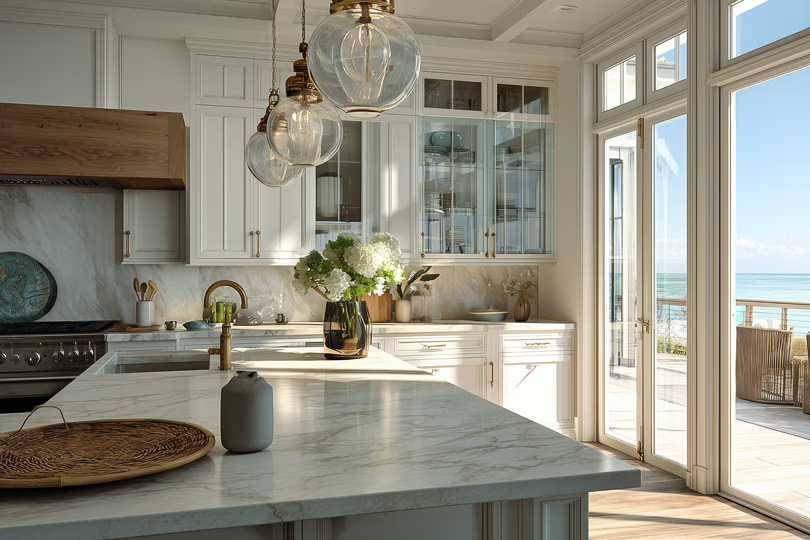
Climate control in a South Florida waterfront home, designed for steady temperature.

Comfort unravels when temperatures drift. True climate control holds steady - morning to night, occupied or empty. Rooms stop feeling reactive and begin to feel composed. Spaces remain inviting without manual correction. The experience becomes emotional: you stop bracing for discomfort because it never arrives. Temperature becomes a constant, not a task.

Frequently asked questions

What does climate control include beyond just temperature?+

Climate control goes beyond setting a temperature. It manages how air moves, how humidity is handled, and how different areas of the home behave at different times of day. In South Florida especially, controlling moisture is just as important as cooling. The goal is even comfort throughout the home, not just hitting a number on a screen.

Why is humidity control such a big deal in South Florida?+

High humidity makes homes feel warmer than they are and can affect furniture, finishes, and air quality. Even if the temperature looks fine, excess moisture can make spaces uncomfortable. Proper humidity control keeps the air feeling lighter, helps protect materials, and makes the home feel consistently comfortable.

How does zoning work in a climate-controlled home?+

Zoning allows different areas of the home to be managed separately based on how they’re used and how much sun they get. Bedrooms, living areas, and kitchens don’t all behave the same way. Zoning helps prevent overcooling some spaces while others struggle to stay comfortable.

Will climate control reduce energy waste?+

Yes. When a system is designed to respond to how the home actually behaves, it doesn’t have to work as hard. Zoning, humidity management, and smarter scheduling all help reduce unnecessary run time. The home stays comfortable without constantly pushing the system.

Is this something that has to be adjusted all the time?+

No. The goal is the opposite. Once the system is properly designed and set up, most homeowners rarely adjust anything. Comfort stays consistent throughout the day and night without needing constant attention.

Can climate control work in homes with large glass doors or open layouts?+

Yes, but those homes need to be handled carefully. Sun exposure, open spaces, and indoor–outdoor areas all affect how air behaves. A well-designed system accounts for these factors so comfort stays consistent even when doors open or sunlight shifts.

Does climate control make systems louder?+

No. When designed correctly, airflow is smoother and more predictable, which often reduces noticeable noise. Loud systems are usually a sign of poor distribution or overcorrection. Quiet operation is typically a byproduct of a balanced design.

When should climate control be planned during a project?+

Ideally, climate planning starts early—alongside architectural and interior decisions. Layout, materials, ceiling details, and glazing all affect comfort. Early coordination helps avoid compromises later and leads to better long-term results.

Quiet Balance

Climate control is not about chasing numbers. It’s about teaching a home to maintain equilibrium - temperature, humidity, and stillness - so comfort becomes the background of daily life.

What Clients Say

Let’s talk about comfort

Planning a new home? Trying to fix rooms that never feel quite right? We can walk through what improvement is needed.
(954) 251-0600